Living rooms
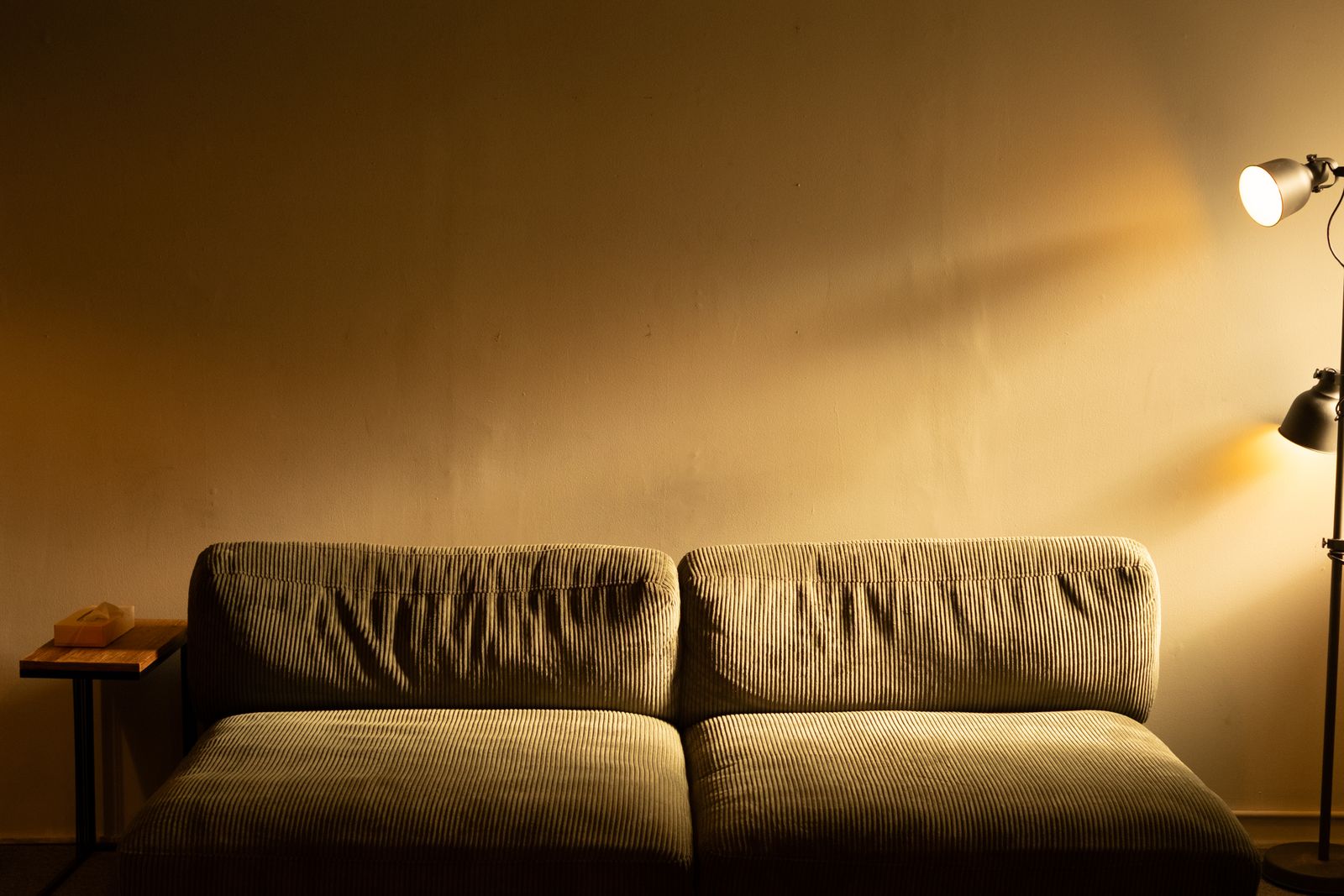
A mix of general and accent lighting can support conversation, relaxation and flexible room use.
Lighting for living spaces, kitchens, bedrooms and residential interiors.
Fixture detail
Overview
Residential lighting works best in layers. General light supports everyday movement, task light serves focused activities and softer accent light gives rooms depth after dark.
Applications
A mix of general and accent lighting can support conversation, relaxation and flexible room use.
Task lighting can clarify work surfaces while ambient light supports the wider room.
Softer sources and controlled placement can create a calm setting without sacrificing useful light.
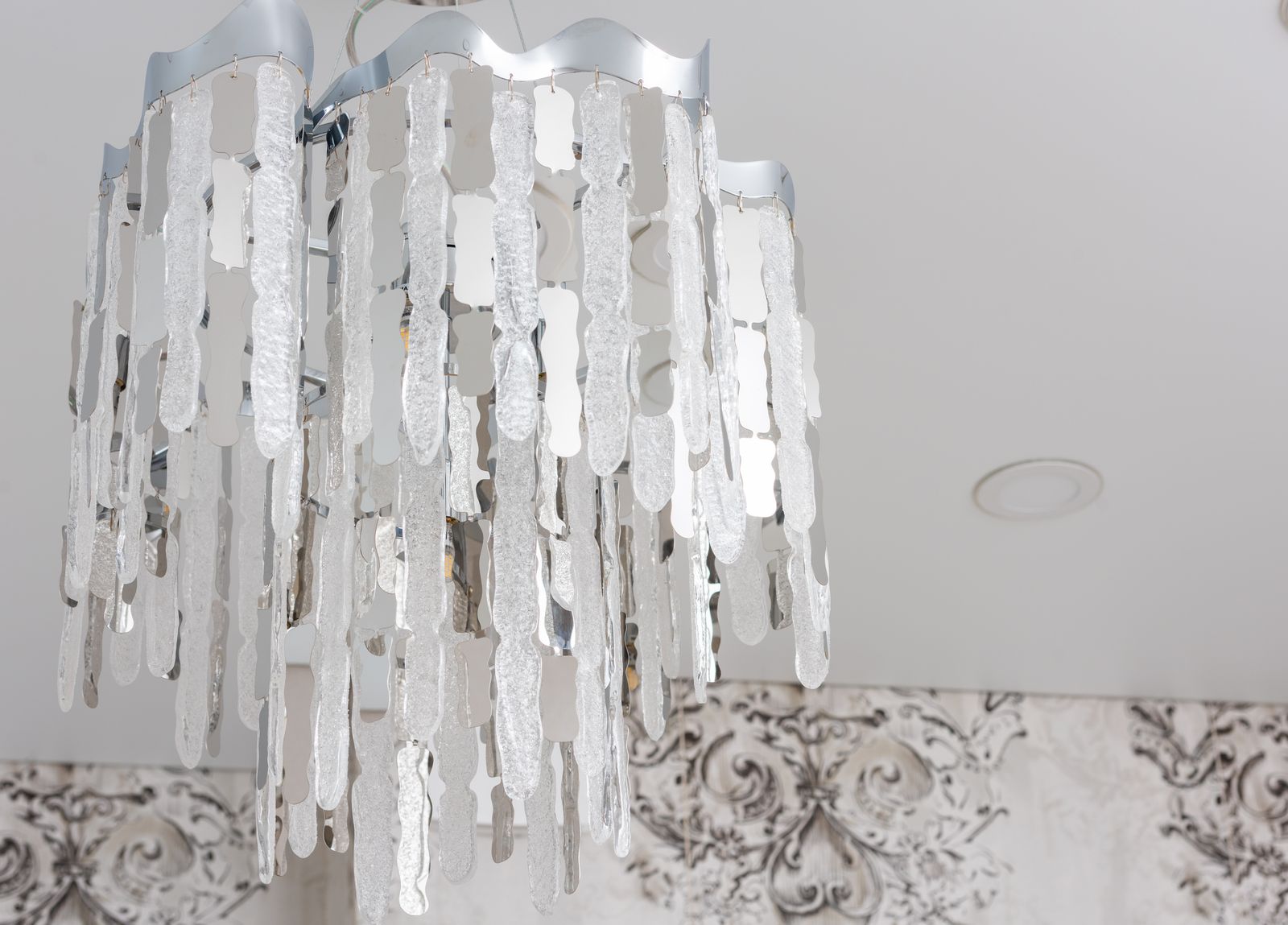
Feature fixtures and focused light can draw attention to materials, artwork and interior details.
Lighting considerations
The lighting approach should begin with how the room is occupied throughout the day.
Light appearance can be selected to work with interior finishes and the intended atmosphere.
Switching and dimming options can support different activities without adding visual clutter.
Decorative fittings should relate to ceiling height, furniture and the proportions of the room.
Application focus
Residential lighting should support cooking, reading, conversation and rest without asking one fixture to perform every role.
What to bring
Category questions
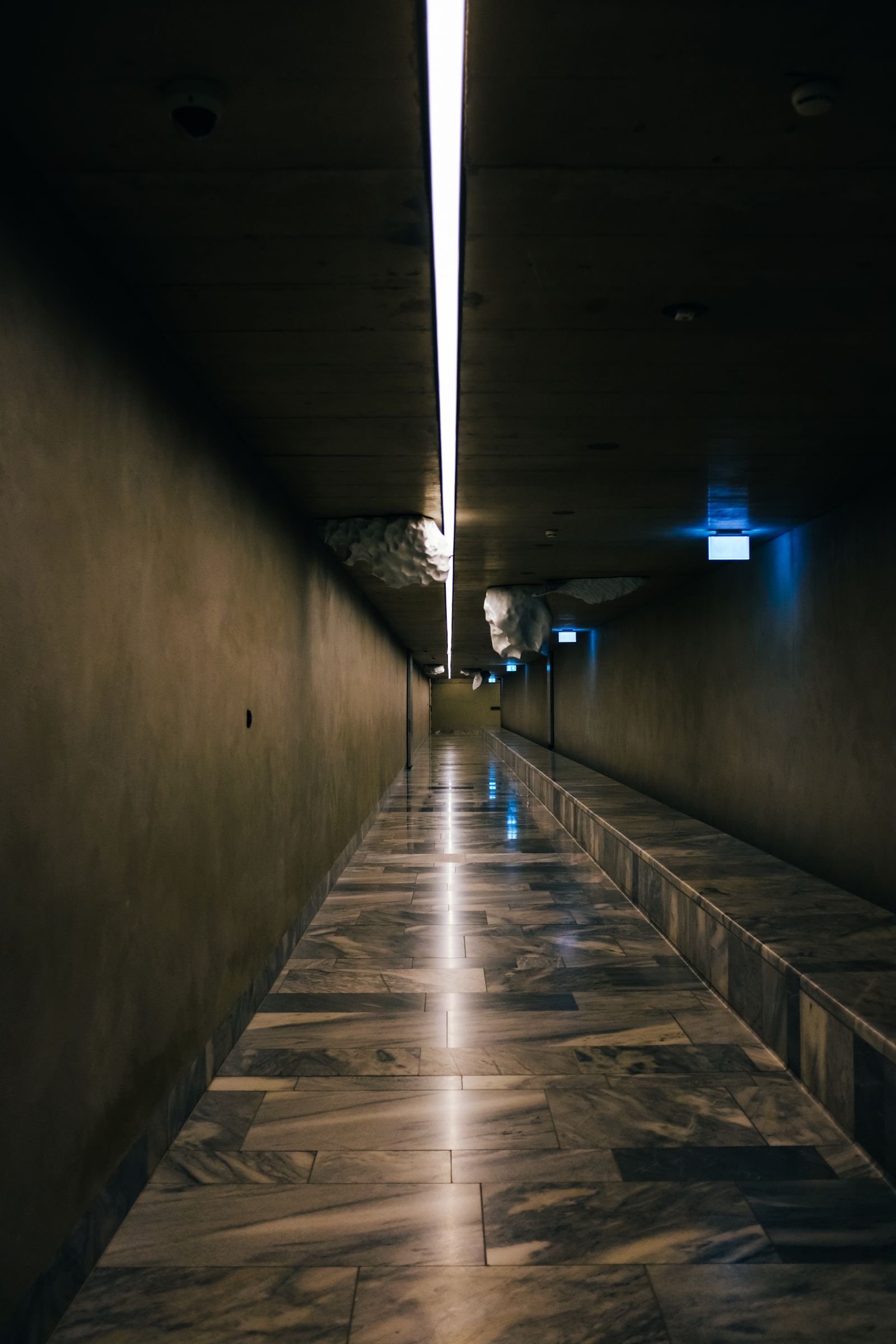
Recessed or ceiling fixtures can provide general light, while lamps, pendants and concealed linear light support tasks and visual depth.
Consider wall colors, cabinetry, daylight and the atmosphere wanted in adjoining rooms. Consistency is especially important across open plans.
Kitchen worktops, desks, reading seats, vanities and other focused activity areas benefit from light directed to the working surface.
Discuss your lighting
Tell us about the environment, intended use and visual direction. We can discuss a suitable next step for your lighting project.